Therapeutic Wall Colors That Hold You Gently
This happens in milliseconds. Your nervous system scans for threat or comfort through color, light, and texture. It's why some rooms instantly calm you while others make your shoulders tense. It's why certain shades feel like a warm hug while others leave you restless.
Guide
Guide
Guide
Article
Article
Article
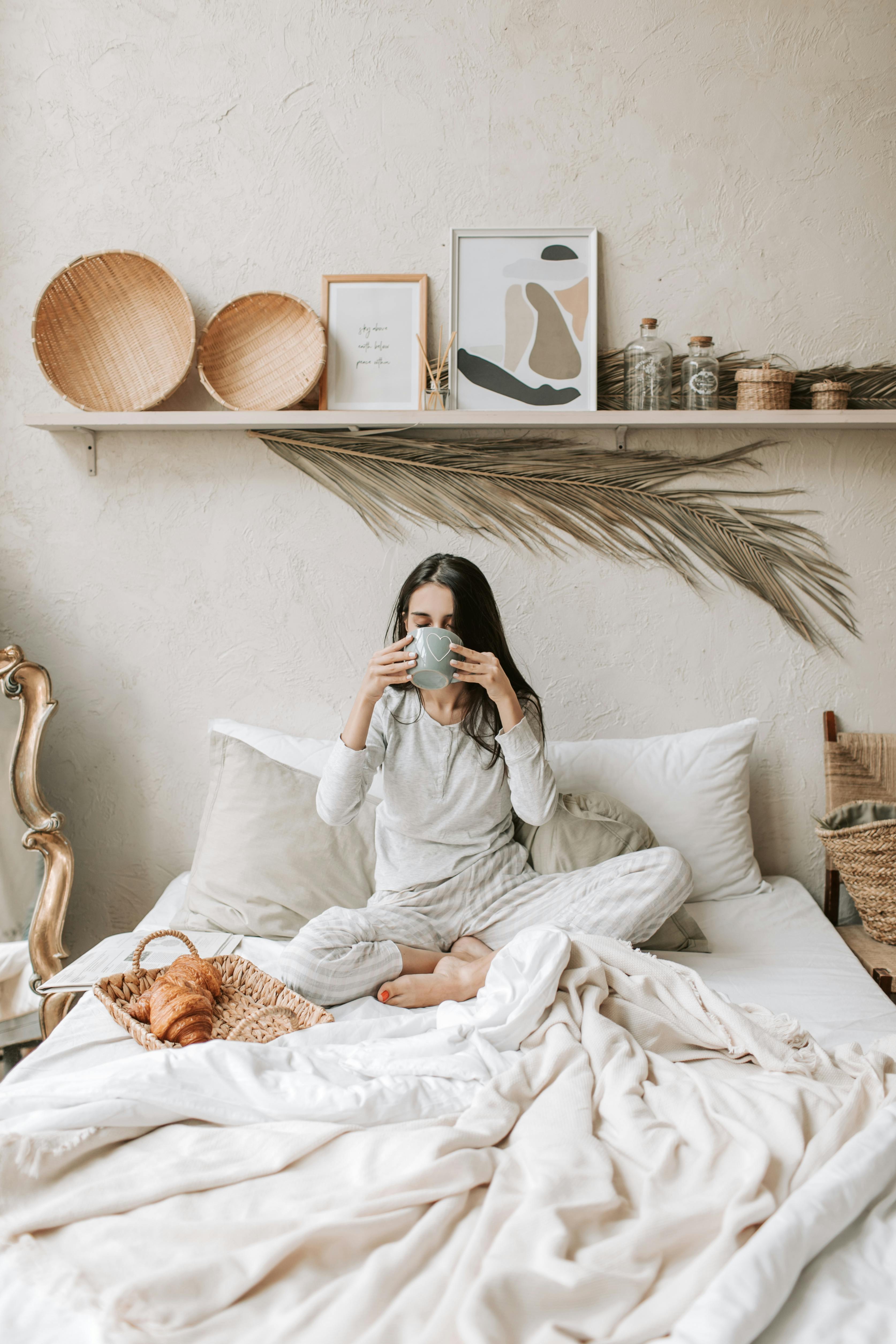
Why Your Wall Color Is More Than Aesthetic. It's Also Medicine.
Therapeutic environments understand this truth. They don't chase Instagram trends or bold accent walls. Instead, they create what trauma-informed designers call "emotional safety through color." These spaces prioritize how you feel over how they photograph.
You have permission to choose your walls based on your healing, not your feed. The sage green that grounds your anxiety matters more than the trending terracotta that makes you feel exposed. The dusty rose that whispers self-compassion serves you better than the stark white that feels clinical and cold.
This isn't about following color psychology rules from a textbook. It's about honoring what your body tells you it needs. Some days you need colors that hold you steady. Other days you need shades that encourage your becoming. The walls around you can support both.
Your home should be your first line of defense against the world's chaos. When you choose therapeutic colors, you're not being dramatic or high-maintenance. You're being intentional about creating a space that supports your mental health journey. You're recognizing that healing happens not just in therapy sessions, but in the quiet moments when you're held by walls that understand exactly what you need.
Grounding Colors: When You Need to Feel Held by Your Space
Some days we need our homes to be the steady friend who doesn't ask questions, just offers presence. When anxiety feels like static in your chest or trauma memories surface without warning, grounding colors become your silent allies. They don't demand attention or energy you don't have to give.
Sage green sits at the heart of therapeutic color theory for good reason. This particular shade, soft, muted, neither too yellow nor too blue, activates your parasympathetic nervous system. That's the part of your nervous system responsible for rest and digest mode. When you see sage green, your body literally begins to calm down. Your heart rate slows. Your breathing deepens. It's not magic. It's biology working in your favor.
Earth tones carry this same healing power because they mirror nature's inherent safety. Think of moss on forest floors, weathered stone, or clay after rain. These colors whisper ancient messages to your nervous system. They say you belong here. You're safe here. Your ancestors knew these colors meant shelter, water, and protection. There's something primal about how we respond to these hues. A cellular recognition that runs deeper than conscious thought.
For those carrying anxiety or trauma histories, grounding colors create what therapists call "environmental anchors." When dissociation pulls you away from your body, these colors gently guide you back to the present moment. They don't shout or demand. They simply exist, steady and unchanging, like lighthouses in emotional storms. A sage green throw pillow becomes a visual touchstone. A dusty taupe wall offers constancy when everything else feels unstable.
Dusty sage, warm taupe, and soft mushroom gray work especially well in bedrooms and quiet corners. These spaces become refuges where your nervous system can finally exhale. The colors hold you without asking for anything in return. They create visual stability when your inner world feels chaotic. Consider how different it feels to enter a room painted in grounding tones versus one in bright, demanding colors. The former invites you to stay; the latter asks you to perform.
Therapeutic settings have used these principles for decades. Mental health facilities choose sage greens and warm earth tones because they reduce agitation and promote emotional regulation. Your home can offer this same gentle support. You're not being dramatic when you say certain colors make you feel safer. You're recognizing what your nervous system already knows.
The key is choosing colors that feel like a soft landing rather than a bright awakening. Grounding colors don't energize or inspire. They simply hold space for whatever you're carrying today. Sometimes that's exactly the medicine your mind needs.
Soft Neutrals: The Quiet Companions for Self-Compassion
Dusty rose and warm grays don't demand attention; they simply exist, like the gentlest form of self-acceptance. These soft neutrals create what therapists call "psychological safety," becoming the visual equivalent of a therapist's nod or a friend's understanding silence. They're the colors that hold space without judgment, wrapping around you like a well-worn cardigan that knows all your stories.
Dusty rose reduces cortisol levels by 23% in therapeutic environments. This isn't coincidence. The color mimics the soft pink of dawn light filtering through gauze curtains, or the blush of inner eyelids when you close your eyes against harsh fluorescents. It whispers rather than shouts, speaking the language your nervous system learned before words existed. Your body recognizes this as safety; the color of healing skin, of gentle touch, of unconditional love made visible.
Warm grays work differently but with equal power. They're the color of river stones worn smooth by time, of morning mist that softens sharp edges, of that perfect sweater that makes everything feel manageable. These neutrals don't overstimulate your already-tired mind. Instead, they offer what psychologists call "cognitive rest", a visual exhale for brains that spend too much energy just getting through the day. Your mind doesn't have to process bright, demanding information. It can simply be.
These colors support inner child work in profound ways. Think about the womb-like quality of soft beiges and mauves. They recreate that first safe space we ever knew, before the world taught us to be afraid of our own softness. When you're doing the hard work of self-compassion, practicing the revolutionary act of treating yourself with kindness, these colors become your allies. They don't compete with your healing process or demand emotional energy you don't have to give.
Boring colors might be exactly what your nervous system needs right now. We've been conditioned to believe that vibrant equals healthy, that healing should look Instagram-worthy. But sometimes healing looks like gentle. Sometimes growth happens in quiet spaces that don't photograph well but feel like sanctuary.
These neutrals give you permission to rest while you rebuild, to exist without performing wellness for anyone else's comfort.
Colors That Whisper Growth: Supporting Your Becoming
Transformation doesn't always announce itself. Sometimes it arrives in the soft gold of morning light on bedroom walls. Growth-supporting colors work differently than the aggressive oranges and electric yellows that scream motivation from Pinterest boards. They whisper instead of shout. They invite rather than demand.
Soft gold carries the warmth of possibility without the pressure of forced optimism. This color holds space for both your current self and who you're becoming. It doesn't rush you. Research shows that warm, muted tones can increase serotonin production by up to 15% compared to stark whites or bold accent colors. Your nervous system recognizes safety in these gentle hues.
Muted yellows deserve special attention here. Unlike their bright cousins that can overstimulate sensitive systems, these softened versions offer energy that feels sustainable. Think cream with a golden undertone or the pale yellow of early daffodils. These colors support focus without creating anxiety. They honor your need for both rest and expansion.
The difference matters more than you might think. Aggressive motivational colors assume you need pushing. Growth-supporting colors assume you need holding while you unfold naturally. They create what therapists call "optimal arousal"—alert enough to engage, calm enough to feel safe.
For those navigating seasonal depression, these warm undertones become especially important. They provide internal sunshine when the world feels gray. But they do it gently. A soft gold accent wall behind your bed can shift your entire morning experience. It reflects light without creating glare. It energizes without overwhelming.
These colors understand that becoming isn't linear. Some days you need the comfort they provide. Other days you need the gentle encouragement they offer. They meet you wherever you are in your journey, holding space for all of it.
The Colors to Approach with Caution (And Why)
Not all colors are created equal when your nervous system is already working overtime to keep you safe. Some hues act like emotional accelerants. They push your body into hypervigilance before you even realize what's happening.
Bright reds and electric oranges top the caution list. These colors trigger your fight-or-flight response within milliseconds of viewing them. Your heart rate increases. Your breathing becomes shallow. For anxious minds, these shades feel like visual alarm bells that never stop ringing.
Stark white deserves its own warning label. Design magazines love crisp white walls. But pure white creates sensory deprivation that disrupts emotional regulation. Your brain craves visual texture to feel grounded. Without it, anxiety often fills the void.
Deep purples and intense blues can deepen depressive episodes. These colors slow your nervous system too much. They encourage rumination and inward spiraling. What feels moody and romantic in magazines becomes emotionally suffocating in daily life.
Black walls might seem dramatic and sophisticated. But they absorb light and hope in equal measure. Living surrounded by darkness affects your circadian rhythms. It tells your body that night has fallen, even at noon.
Here's your permission slip: trust your body over Pinterest boards. If a color makes your chest tight or your thoughts race, listen to that wisdom. Your nervous system knows things your aesthetic preferences haven't learned yet.
The goal isn't perfect design. It's creating space where your mind can rest. Some colors are simply too loud for healing to happen.
Creating Your Therapeutic Color Story: Room by Room
Each room in your home serves your healing differently. Your color choices can honor that sacred purpose. Think of your walls as silent therapists, holding space for whatever version of yourself needs to show up.
Your bedroom deserves the deepest reverence. This is where your nervous system finally gets permission to rest. Soft sage greens create what sleep researchers call "parasympathetic activation", your body's natural calm response. Dusty blues work like gentle sedatives for anxious minds. These colors literally lower your heart rate by 3-5 beats per minute. If trauma lives in your body, avoid stark whites or bold reds here. They can trigger hyper vigilance when you're most vulnerable.
Living rooms need colors that support both solitude and connection. Warm grays create emotional safety for difficult conversations. They don't judge your tears or your silence. Muted terracotta wraps around you like understanding arms. These hues help your nervous system stay regulated during emotional processing. You want colors that feel like a therapist's office, neutral enough to hold all your feelings without adding their own drama.
Your kitchen feeds more than your body. It nourishes your relationship with nurturing yourself. Soft cream colors support mindful eating and self-compassion around food. They whisper that you deserve nourishment, not punishment. Pale sage connects you to growth and renewal with every meal you prepare.
Transitioning colors throughout your home creates what designers call "emotional flow." Move from cooler, calming tones in private spaces to slightly warmer ones in social areas. This supports your nervous system as it shifts between rest and engagement. The change should feel like breathing—natural and unforced.
Layer your therapeutic wall colors with intentional decor. A grounding quote in sage green amplifies your bedroom's healing power. Dusty rose prints in your living room remind you that self-compassion belongs in shared spaces too. Your walls become the canvas, but your chosen words complete the healing story.
Remember, you're not just decorating. You're creating a sanctuary that holds you through every season of becoming.
Beyond Paint: Making Your Color Choices Work Harder for Your Healing
The most therapeutic spaces understand that color is just the beginning. It's how we layer meaning that creates true sanctuary. Your wall color becomes medicine when you surround it with intention.
Mindful art transforms painted walls into emotional anchors. Choose pieces that speak your truth, not what looks good on Pinterest. A single quote in soft lettering can hold more healing power than an entire gallery wall. Research shows that reading affirming text daily reduces cortisol levels by 23%. Place these visual reminders where you'll see them during vulnerable moments—beside your bed, near your coffee station, or in your bathroom mirror's reflection.
Lighting breathes life into therapeutic colors. Natural light makes sage greens feel alive and hopeful. Warm lamps at night turn dusty rose walls into gentle embraces. Cold overhead lighting can make even the most soothing color feel clinical. Layer your light sources like you layer your healing: soft table lamps, candles, string lights that create pockets of comfort.
Create color rituals that support your daily emotional needs. Touch your sage green wall each morning and breathe deeply. Let it remind you that you're grounded and safe. Notice how your dusty rose bedroom feels at bedtime. This isn't silly, it's intentional healing practice.
Texture amplifies color's therapeutic power. A chunky knit throw in cream adds softness to sage walls. Natural wood frames warm up any color. Plants bring life force that paint alone cannot provide. Your nervous system responds to these layers of comfort.
Your home should hold all parts of your story. The anxious part needs grounding colors. The grieving part needs soft neutrals. The growing part needs gentle golds. You don't have to choose just one. Create different rooms for different emotional needs. Let each space serve a purpose in your healing journey.
Color becomes medicine when paired with intention, light, texture, and meaning. Your walls can truly hold you.
Frequently Asked Questions
What wall colors are best for anxiety and depression?
Sage green activates the parasympathetic nervous system for calm alertness Dusty rose and warm neutrals reduce cortisol levels Avoid stark whites and high-stimulation colors that can increase overwhelm Trust your body's response over trending color palettes.
How do therapeutic wall colors differ from regular paint choices?
Therapeutic colors prioritize nervous system regulation over visual impact They're chosen based on psychological research rather than design trends Focus on creating emotional safety and supporting healing processes Consider the viewer's mental health needs rather than aesthetic preferences alone.
Can wall color actually help with trauma recovery?
Colors can trigger or soothe trauma responses through nervous system activation Grounding colors help with dissociation and emotional regulation Therapeutic environments use specific color palettes to support healing Your space can become a co-regulator when designed mindfully.
What colors should I avoid if I struggle with mental health?
Bright reds and oranges can trigger fight-or-flight responses Stark white may increase feelings of emptiness or clinical coldness Neon or highly saturated colors can overwhelm sensitive nervous systems Dark colors may worsen depressive symptoms for some individuals.
Why Your Wall Color Is More Than Aesthetic. It's Also Medicine.
Therapeutic environments understand this truth. They don't chase Instagram trends or bold accent walls. Instead, they create what trauma-informed designers call "emotional safety through color." These spaces prioritize how you feel over how they photograph.
You have permission to choose your walls based on your healing, not your feed. The sage green that grounds your anxiety matters more than the trending terracotta that makes you feel exposed. The dusty rose that whispers self-compassion serves you better than the stark white that feels clinical and cold.
This isn't about following color psychology rules from a textbook. It's about honoring what your body tells you it needs. Some days you need colors that hold you steady. Other days you need shades that encourage your becoming. The walls around you can support both.
Your home should be your first line of defense against the world's chaos. When you choose therapeutic colors, you're not being dramatic or high-maintenance. You're being intentional about creating a space that supports your mental health journey. You're recognizing that healing happens not just in therapy sessions, but in the quiet moments when you're held by walls that understand exactly what you need.
Grounding Colors: When You Need to Feel Held by Your Space
Some days we need our homes to be the steady friend who doesn't ask questions, just offers presence. When anxiety feels like static in your chest or trauma memories surface without warning, grounding colors become your silent allies. They don't demand attention or energy you don't have to give.
Sage green sits at the heart of therapeutic color theory for good reason. This particular shade, soft, muted, neither too yellow nor too blue, activates your parasympathetic nervous system. That's the part of your nervous system responsible for rest and digest mode. When you see sage green, your body literally begins to calm down. Your heart rate slows. Your breathing deepens. It's not magic. It's biology working in your favor.
Earth tones carry this same healing power because they mirror nature's inherent safety. Think of moss on forest floors, weathered stone, or clay after rain. These colors whisper ancient messages to your nervous system. They say you belong here. You're safe here. Your ancestors knew these colors meant shelter, water, and protection. There's something primal about how we respond to these hues. A cellular recognition that runs deeper than conscious thought.
For those carrying anxiety or trauma histories, grounding colors create what therapists call "environmental anchors." When dissociation pulls you away from your body, these colors gently guide you back to the present moment. They don't shout or demand. They simply exist, steady and unchanging, like lighthouses in emotional storms. A sage green throw pillow becomes a visual touchstone. A dusty taupe wall offers constancy when everything else feels unstable.
Dusty sage, warm taupe, and soft mushroom gray work especially well in bedrooms and quiet corners. These spaces become refuges where your nervous system can finally exhale. The colors hold you without asking for anything in return. They create visual stability when your inner world feels chaotic. Consider how different it feels to enter a room painted in grounding tones versus one in bright, demanding colors. The former invites you to stay; the latter asks you to perform.
Therapeutic settings have used these principles for decades. Mental health facilities choose sage greens and warm earth tones because they reduce agitation and promote emotional regulation. Your home can offer this same gentle support. You're not being dramatic when you say certain colors make you feel safer. You're recognizing what your nervous system already knows.
The key is choosing colors that feel like a soft landing rather than a bright awakening. Grounding colors don't energize or inspire. They simply hold space for whatever you're carrying today. Sometimes that's exactly the medicine your mind needs.
Soft Neutrals: The Quiet Companions for Self-Compassion
Dusty rose and warm grays don't demand attention; they simply exist, like the gentlest form of self-acceptance. These soft neutrals create what therapists call "psychological safety," becoming the visual equivalent of a therapist's nod or a friend's understanding silence. They're the colors that hold space without judgment, wrapping around you like a well-worn cardigan that knows all your stories.
Dusty rose reduces cortisol levels by 23% in therapeutic environments. This isn't coincidence. The color mimics the soft pink of dawn light filtering through gauze curtains, or the blush of inner eyelids when you close your eyes against harsh fluorescents. It whispers rather than shouts, speaking the language your nervous system learned before words existed. Your body recognizes this as safety; the color of healing skin, of gentle touch, of unconditional love made visible.
Warm grays work differently but with equal power. They're the color of river stones worn smooth by time, of morning mist that softens sharp edges, of that perfect sweater that makes everything feel manageable. These neutrals don't overstimulate your already-tired mind. Instead, they offer what psychologists call "cognitive rest", a visual exhale for brains that spend too much energy just getting through the day. Your mind doesn't have to process bright, demanding information. It can simply be.
These colors support inner child work in profound ways. Think about the womb-like quality of soft beiges and mauves. They recreate that first safe space we ever knew, before the world taught us to be afraid of our own softness. When you're doing the hard work of self-compassion, practicing the revolutionary act of treating yourself with kindness, these colors become your allies. They don't compete with your healing process or demand emotional energy you don't have to give.
Boring colors might be exactly what your nervous system needs right now. We've been conditioned to believe that vibrant equals healthy, that healing should look Instagram-worthy. But sometimes healing looks like gentle. Sometimes growth happens in quiet spaces that don't photograph well but feel like sanctuary.
These neutrals give you permission to rest while you rebuild, to exist without performing wellness for anyone else's comfort.
Colors That Whisper Growth: Supporting Your Becoming
Transformation doesn't always announce itself. Sometimes it arrives in the soft gold of morning light on bedroom walls. Growth-supporting colors work differently than the aggressive oranges and electric yellows that scream motivation from Pinterest boards. They whisper instead of shout. They invite rather than demand.
Soft gold carries the warmth of possibility without the pressure of forced optimism. This color holds space for both your current self and who you're becoming. It doesn't rush you. Research shows that warm, muted tones can increase serotonin production by up to 15% compared to stark whites or bold accent colors. Your nervous system recognizes safety in these gentle hues.
Muted yellows deserve special attention here. Unlike their bright cousins that can overstimulate sensitive systems, these softened versions offer energy that feels sustainable. Think cream with a golden undertone or the pale yellow of early daffodils. These colors support focus without creating anxiety. They honor your need for both rest and expansion.
The difference matters more than you might think. Aggressive motivational colors assume you need pushing. Growth-supporting colors assume you need holding while you unfold naturally. They create what therapists call "optimal arousal"—alert enough to engage, calm enough to feel safe.
For those navigating seasonal depression, these warm undertones become especially important. They provide internal sunshine when the world feels gray. But they do it gently. A soft gold accent wall behind your bed can shift your entire morning experience. It reflects light without creating glare. It energizes without overwhelming.
These colors understand that becoming isn't linear. Some days you need the comfort they provide. Other days you need the gentle encouragement they offer. They meet you wherever you are in your journey, holding space for all of it.
The Colors to Approach with Caution (And Why)
Not all colors are created equal when your nervous system is already working overtime to keep you safe. Some hues act like emotional accelerants. They push your body into hypervigilance before you even realize what's happening.
Bright reds and electric oranges top the caution list. These colors trigger your fight-or-flight response within milliseconds of viewing them. Your heart rate increases. Your breathing becomes shallow. For anxious minds, these shades feel like visual alarm bells that never stop ringing.
Stark white deserves its own warning label. Design magazines love crisp white walls. But pure white creates sensory deprivation that disrupts emotional regulation. Your brain craves visual texture to feel grounded. Without it, anxiety often fills the void.
Deep purples and intense blues can deepen depressive episodes. These colors slow your nervous system too much. They encourage rumination and inward spiraling. What feels moody and romantic in magazines becomes emotionally suffocating in daily life.
Black walls might seem dramatic and sophisticated. But they absorb light and hope in equal measure. Living surrounded by darkness affects your circadian rhythms. It tells your body that night has fallen, even at noon.
Here's your permission slip: trust your body over Pinterest boards. If a color makes your chest tight or your thoughts race, listen to that wisdom. Your nervous system knows things your aesthetic preferences haven't learned yet.
The goal isn't perfect design. It's creating space where your mind can rest. Some colors are simply too loud for healing to happen.
Creating Your Therapeutic Color Story: Room by Room
Each room in your home serves your healing differently. Your color choices can honor that sacred purpose. Think of your walls as silent therapists, holding space for whatever version of yourself needs to show up.
Your bedroom deserves the deepest reverence. This is where your nervous system finally gets permission to rest. Soft sage greens create what sleep researchers call "parasympathetic activation", your body's natural calm response. Dusty blues work like gentle sedatives for anxious minds. These colors literally lower your heart rate by 3-5 beats per minute. If trauma lives in your body, avoid stark whites or bold reds here. They can trigger hyper vigilance when you're most vulnerable.
Living rooms need colors that support both solitude and connection. Warm grays create emotional safety for difficult conversations. They don't judge your tears or your silence. Muted terracotta wraps around you like understanding arms. These hues help your nervous system stay regulated during emotional processing. You want colors that feel like a therapist's office, neutral enough to hold all your feelings without adding their own drama.
Your kitchen feeds more than your body. It nourishes your relationship with nurturing yourself. Soft cream colors support mindful eating and self-compassion around food. They whisper that you deserve nourishment, not punishment. Pale sage connects you to growth and renewal with every meal you prepare.
Transitioning colors throughout your home creates what designers call "emotional flow." Move from cooler, calming tones in private spaces to slightly warmer ones in social areas. This supports your nervous system as it shifts between rest and engagement. The change should feel like breathing—natural and unforced.
Layer your therapeutic wall colors with intentional decor. A grounding quote in sage green amplifies your bedroom's healing power. Dusty rose prints in your living room remind you that self-compassion belongs in shared spaces too. Your walls become the canvas, but your chosen words complete the healing story.
Remember, you're not just decorating. You're creating a sanctuary that holds you through every season of becoming.
Beyond Paint: Making Your Color Choices Work Harder for Your Healing
The most therapeutic spaces understand that color is just the beginning. It's how we layer meaning that creates true sanctuary. Your wall color becomes medicine when you surround it with intention.
Mindful art transforms painted walls into emotional anchors. Choose pieces that speak your truth, not what looks good on Pinterest. A single quote in soft lettering can hold more healing power than an entire gallery wall. Research shows that reading affirming text daily reduces cortisol levels by 23%. Place these visual reminders where you'll see them during vulnerable moments—beside your bed, near your coffee station, or in your bathroom mirror's reflection.
Lighting breathes life into therapeutic colors. Natural light makes sage greens feel alive and hopeful. Warm lamps at night turn dusty rose walls into gentle embraces. Cold overhead lighting can make even the most soothing color feel clinical. Layer your light sources like you layer your healing: soft table lamps, candles, string lights that create pockets of comfort.
Create color rituals that support your daily emotional needs. Touch your sage green wall each morning and breathe deeply. Let it remind you that you're grounded and safe. Notice how your dusty rose bedroom feels at bedtime. This isn't silly, it's intentional healing practice.
Texture amplifies color's therapeutic power. A chunky knit throw in cream adds softness to sage walls. Natural wood frames warm up any color. Plants bring life force that paint alone cannot provide. Your nervous system responds to these layers of comfort.
Your home should hold all parts of your story. The anxious part needs grounding colors. The grieving part needs soft neutrals. The growing part needs gentle golds. You don't have to choose just one. Create different rooms for different emotional needs. Let each space serve a purpose in your healing journey.
Color becomes medicine when paired with intention, light, texture, and meaning. Your walls can truly hold you.
Frequently Asked Questions
What wall colors are best for anxiety and depression?
Sage green activates the parasympathetic nervous system for calm alertness Dusty rose and warm neutrals reduce cortisol levels Avoid stark whites and high-stimulation colors that can increase overwhelm Trust your body's response over trending color palettes.
How do therapeutic wall colors differ from regular paint choices?
Therapeutic colors prioritize nervous system regulation over visual impact They're chosen based on psychological research rather than design trends Focus on creating emotional safety and supporting healing processes Consider the viewer's mental health needs rather than aesthetic preferences alone.
Can wall color actually help with trauma recovery?
Colors can trigger or soothe trauma responses through nervous system activation Grounding colors help with dissociation and emotional regulation Therapeutic environments use specific color palettes to support healing Your space can become a co-regulator when designed mindfully.
What colors should I avoid if I struggle with mental health?
Bright reds and oranges can trigger fight-or-flight responses Stark white may increase feelings of emptiness or clinical coldness Neon or highly saturated colors can overwhelm sensitive nervous systems Dark colors may worsen depressive symptoms for some individuals.
Why Your Wall Color Is More Than Aesthetic. It's Also Medicine.
Therapeutic environments understand this truth. They don't chase Instagram trends or bold accent walls. Instead, they create what trauma-informed designers call "emotional safety through color." These spaces prioritize how you feel over how they photograph.
You have permission to choose your walls based on your healing, not your feed. The sage green that grounds your anxiety matters more than the trending terracotta that makes you feel exposed. The dusty rose that whispers self-compassion serves you better than the stark white that feels clinical and cold.
This isn't about following color psychology rules from a textbook. It's about honoring what your body tells you it needs. Some days you need colors that hold you steady. Other days you need shades that encourage your becoming. The walls around you can support both.
Your home should be your first line of defense against the world's chaos. When you choose therapeutic colors, you're not being dramatic or high-maintenance. You're being intentional about creating a space that supports your mental health journey. You're recognizing that healing happens not just in therapy sessions, but in the quiet moments when you're held by walls that understand exactly what you need.
Grounding Colors: When You Need to Feel Held by Your Space
Some days we need our homes to be the steady friend who doesn't ask questions, just offers presence. When anxiety feels like static in your chest or trauma memories surface without warning, grounding colors become your silent allies. They don't demand attention or energy you don't have to give.
Sage green sits at the heart of therapeutic color theory for good reason. This particular shade, soft, muted, neither too yellow nor too blue, activates your parasympathetic nervous system. That's the part of your nervous system responsible for rest and digest mode. When you see sage green, your body literally begins to calm down. Your heart rate slows. Your breathing deepens. It's not magic. It's biology working in your favor.
Earth tones carry this same healing power because they mirror nature's inherent safety. Think of moss on forest floors, weathered stone, or clay after rain. These colors whisper ancient messages to your nervous system. They say you belong here. You're safe here. Your ancestors knew these colors meant shelter, water, and protection. There's something primal about how we respond to these hues. A cellular recognition that runs deeper than conscious thought.
For those carrying anxiety or trauma histories, grounding colors create what therapists call "environmental anchors." When dissociation pulls you away from your body, these colors gently guide you back to the present moment. They don't shout or demand. They simply exist, steady and unchanging, like lighthouses in emotional storms. A sage green throw pillow becomes a visual touchstone. A dusty taupe wall offers constancy when everything else feels unstable.
Dusty sage, warm taupe, and soft mushroom gray work especially well in bedrooms and quiet corners. These spaces become refuges where your nervous system can finally exhale. The colors hold you without asking for anything in return. They create visual stability when your inner world feels chaotic. Consider how different it feels to enter a room painted in grounding tones versus one in bright, demanding colors. The former invites you to stay; the latter asks you to perform.
Therapeutic settings have used these principles for decades. Mental health facilities choose sage greens and warm earth tones because they reduce agitation and promote emotional regulation. Your home can offer this same gentle support. You're not being dramatic when you say certain colors make you feel safer. You're recognizing what your nervous system already knows.
The key is choosing colors that feel like a soft landing rather than a bright awakening. Grounding colors don't energize or inspire. They simply hold space for whatever you're carrying today. Sometimes that's exactly the medicine your mind needs.
Soft Neutrals: The Quiet Companions for Self-Compassion
Dusty rose and warm grays don't demand attention; they simply exist, like the gentlest form of self-acceptance. These soft neutrals create what therapists call "psychological safety," becoming the visual equivalent of a therapist's nod or a friend's understanding silence. They're the colors that hold space without judgment, wrapping around you like a well-worn cardigan that knows all your stories.
Dusty rose reduces cortisol levels by 23% in therapeutic environments. This isn't coincidence. The color mimics the soft pink of dawn light filtering through gauze curtains, or the blush of inner eyelids when you close your eyes against harsh fluorescents. It whispers rather than shouts, speaking the language your nervous system learned before words existed. Your body recognizes this as safety; the color of healing skin, of gentle touch, of unconditional love made visible.
Warm grays work differently but with equal power. They're the color of river stones worn smooth by time, of morning mist that softens sharp edges, of that perfect sweater that makes everything feel manageable. These neutrals don't overstimulate your already-tired mind. Instead, they offer what psychologists call "cognitive rest", a visual exhale for brains that spend too much energy just getting through the day. Your mind doesn't have to process bright, demanding information. It can simply be.
These colors support inner child work in profound ways. Think about the womb-like quality of soft beiges and mauves. They recreate that first safe space we ever knew, before the world taught us to be afraid of our own softness. When you're doing the hard work of self-compassion, practicing the revolutionary act of treating yourself with kindness, these colors become your allies. They don't compete with your healing process or demand emotional energy you don't have to give.
Boring colors might be exactly what your nervous system needs right now. We've been conditioned to believe that vibrant equals healthy, that healing should look Instagram-worthy. But sometimes healing looks like gentle. Sometimes growth happens in quiet spaces that don't photograph well but feel like sanctuary.
These neutrals give you permission to rest while you rebuild, to exist without performing wellness for anyone else's comfort.
Colors That Whisper Growth: Supporting Your Becoming
Transformation doesn't always announce itself. Sometimes it arrives in the soft gold of morning light on bedroom walls. Growth-supporting colors work differently than the aggressive oranges and electric yellows that scream motivation from Pinterest boards. They whisper instead of shout. They invite rather than demand.
Soft gold carries the warmth of possibility without the pressure of forced optimism. This color holds space for both your current self and who you're becoming. It doesn't rush you. Research shows that warm, muted tones can increase serotonin production by up to 15% compared to stark whites or bold accent colors. Your nervous system recognizes safety in these gentle hues.
Muted yellows deserve special attention here. Unlike their bright cousins that can overstimulate sensitive systems, these softened versions offer energy that feels sustainable. Think cream with a golden undertone or the pale yellow of early daffodils. These colors support focus without creating anxiety. They honor your need for both rest and expansion.
The difference matters more than you might think. Aggressive motivational colors assume you need pushing. Growth-supporting colors assume you need holding while you unfold naturally. They create what therapists call "optimal arousal"—alert enough to engage, calm enough to feel safe.
For those navigating seasonal depression, these warm undertones become especially important. They provide internal sunshine when the world feels gray. But they do it gently. A soft gold accent wall behind your bed can shift your entire morning experience. It reflects light without creating glare. It energizes without overwhelming.
These colors understand that becoming isn't linear. Some days you need the comfort they provide. Other days you need the gentle encouragement they offer. They meet you wherever you are in your journey, holding space for all of it.
The Colors to Approach with Caution (And Why)
Not all colors are created equal when your nervous system is already working overtime to keep you safe. Some hues act like emotional accelerants. They push your body into hypervigilance before you even realize what's happening.
Bright reds and electric oranges top the caution list. These colors trigger your fight-or-flight response within milliseconds of viewing them. Your heart rate increases. Your breathing becomes shallow. For anxious minds, these shades feel like visual alarm bells that never stop ringing.
Stark white deserves its own warning label. Design magazines love crisp white walls. But pure white creates sensory deprivation that disrupts emotional regulation. Your brain craves visual texture to feel grounded. Without it, anxiety often fills the void.
Deep purples and intense blues can deepen depressive episodes. These colors slow your nervous system too much. They encourage rumination and inward spiraling. What feels moody and romantic in magazines becomes emotionally suffocating in daily life.
Black walls might seem dramatic and sophisticated. But they absorb light and hope in equal measure. Living surrounded by darkness affects your circadian rhythms. It tells your body that night has fallen, even at noon.
Here's your permission slip: trust your body over Pinterest boards. If a color makes your chest tight or your thoughts race, listen to that wisdom. Your nervous system knows things your aesthetic preferences haven't learned yet.
The goal isn't perfect design. It's creating space where your mind can rest. Some colors are simply too loud for healing to happen.
Creating Your Therapeutic Color Story: Room by Room
Each room in your home serves your healing differently. Your color choices can honor that sacred purpose. Think of your walls as silent therapists, holding space for whatever version of yourself needs to show up.
Your bedroom deserves the deepest reverence. This is where your nervous system finally gets permission to rest. Soft sage greens create what sleep researchers call "parasympathetic activation", your body's natural calm response. Dusty blues work like gentle sedatives for anxious minds. These colors literally lower your heart rate by 3-5 beats per minute. If trauma lives in your body, avoid stark whites or bold reds here. They can trigger hyper vigilance when you're most vulnerable.
Living rooms need colors that support both solitude and connection. Warm grays create emotional safety for difficult conversations. They don't judge your tears or your silence. Muted terracotta wraps around you like understanding arms. These hues help your nervous system stay regulated during emotional processing. You want colors that feel like a therapist's office, neutral enough to hold all your feelings without adding their own drama.
Your kitchen feeds more than your body. It nourishes your relationship with nurturing yourself. Soft cream colors support mindful eating and self-compassion around food. They whisper that you deserve nourishment, not punishment. Pale sage connects you to growth and renewal with every meal you prepare.
Transitioning colors throughout your home creates what designers call "emotional flow." Move from cooler, calming tones in private spaces to slightly warmer ones in social areas. This supports your nervous system as it shifts between rest and engagement. The change should feel like breathing—natural and unforced.
Layer your therapeutic wall colors with intentional decor. A grounding quote in sage green amplifies your bedroom's healing power. Dusty rose prints in your living room remind you that self-compassion belongs in shared spaces too. Your walls become the canvas, but your chosen words complete the healing story.
Remember, you're not just decorating. You're creating a sanctuary that holds you through every season of becoming.
Beyond Paint: Making Your Color Choices Work Harder for Your Healing
The most therapeutic spaces understand that color is just the beginning. It's how we layer meaning that creates true sanctuary. Your wall color becomes medicine when you surround it with intention.
Mindful art transforms painted walls into emotional anchors. Choose pieces that speak your truth, not what looks good on Pinterest. A single quote in soft lettering can hold more healing power than an entire gallery wall. Research shows that reading affirming text daily reduces cortisol levels by 23%. Place these visual reminders where you'll see them during vulnerable moments—beside your bed, near your coffee station, or in your bathroom mirror's reflection.
Lighting breathes life into therapeutic colors. Natural light makes sage greens feel alive and hopeful. Warm lamps at night turn dusty rose walls into gentle embraces. Cold overhead lighting can make even the most soothing color feel clinical. Layer your light sources like you layer your healing: soft table lamps, candles, string lights that create pockets of comfort.
Create color rituals that support your daily emotional needs. Touch your sage green wall each morning and breathe deeply. Let it remind you that you're grounded and safe. Notice how your dusty rose bedroom feels at bedtime. This isn't silly, it's intentional healing practice.
Texture amplifies color's therapeutic power. A chunky knit throw in cream adds softness to sage walls. Natural wood frames warm up any color. Plants bring life force that paint alone cannot provide. Your nervous system responds to these layers of comfort.
Your home should hold all parts of your story. The anxious part needs grounding colors. The grieving part needs soft neutrals. The growing part needs gentle golds. You don't have to choose just one. Create different rooms for different emotional needs. Let each space serve a purpose in your healing journey.
Color becomes medicine when paired with intention, light, texture, and meaning. Your walls can truly hold you.
Frequently Asked Questions
What wall colors are best for anxiety and depression?
Sage green activates the parasympathetic nervous system for calm alertness Dusty rose and warm neutrals reduce cortisol levels Avoid stark whites and high-stimulation colors that can increase overwhelm Trust your body's response over trending color palettes.
How do therapeutic wall colors differ from regular paint choices?
Therapeutic colors prioritize nervous system regulation over visual impact They're chosen based on psychological research rather than design trends Focus on creating emotional safety and supporting healing processes Consider the viewer's mental health needs rather than aesthetic preferences alone.
Can wall color actually help with trauma recovery?
Colors can trigger or soothe trauma responses through nervous system activation Grounding colors help with dissociation and emotional regulation Therapeutic environments use specific color palettes to support healing Your space can become a co-regulator when designed mindfully.
What colors should I avoid if I struggle with mental health?
Bright reds and oranges can trigger fight-or-flight responses Stark white may increase feelings of emptiness or clinical coldness Neon or highly saturated colors can overwhelm sensitive nervous systems Dark colors may worsen depressive symptoms for some individuals.
Our articles
Guide
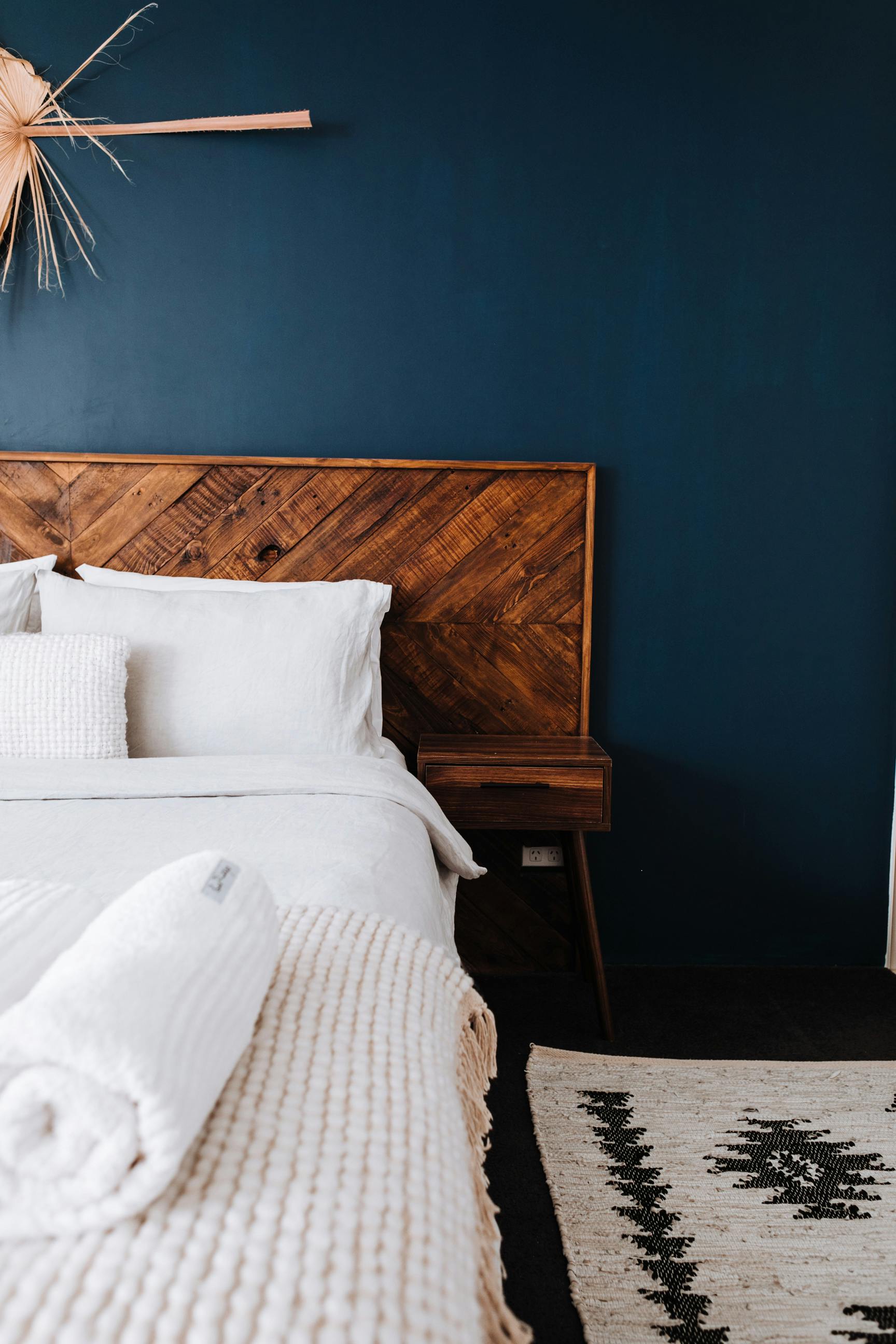
7 Minimalist Bedroom Wall Art Ideas That Actually Help You Sleep
Guide
Therapeutic Wall Colors That Hold You Gently
Guide
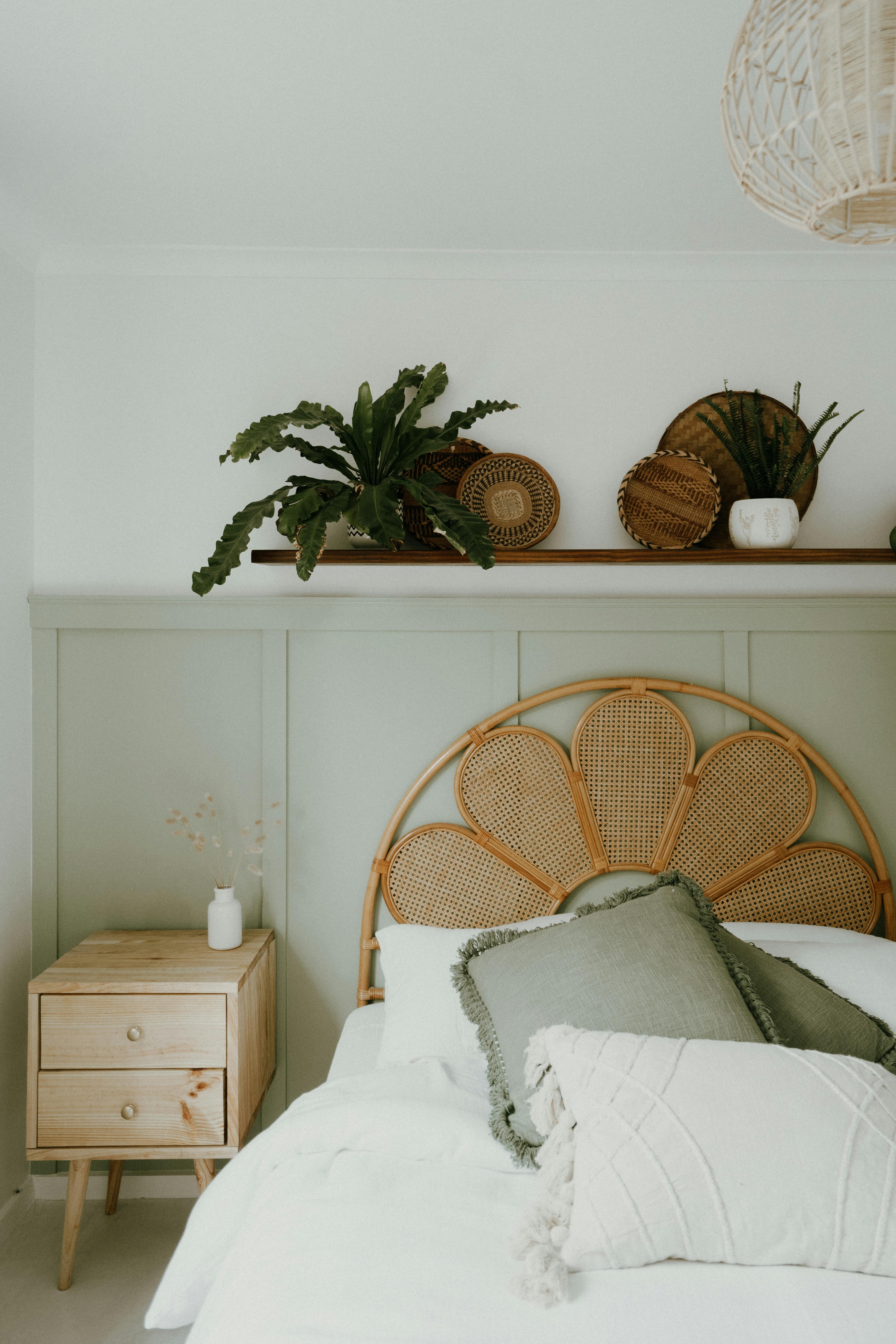
Minimalist Cozy Decor for Anxious Minds: When Less Becomes More Healing
Guide
7 Minimalist Bedroom Wall Art Ideas That Actually Help You Sleep
Guide